Di pietra e di cielo
curated by Sofia Schubert
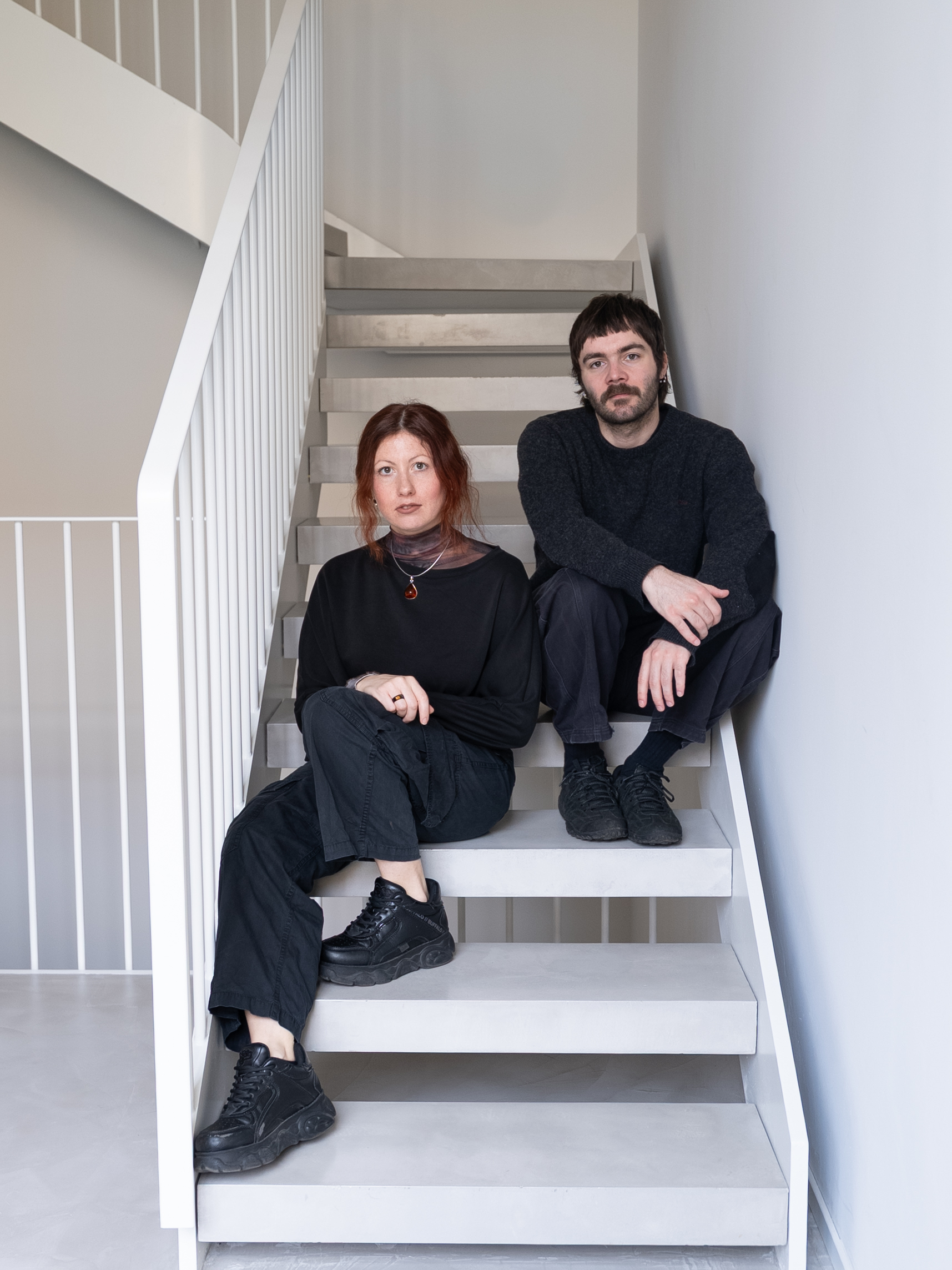
Gabriele Ermini
Caterina Morigi
Villa
Via Orti 25, Milan
Exploring the ancient world not as a subject of history or science, but as a living language that continues to thrive.
The project is part of the second edition of the Atelier Elpis residency program, which offers artists a period of residence during which they can develop their artistic practice in relation to the urban context of Milan and its social, cultural, and symbolic dimensions.
While dialogue with local communities is central to the mission of the Elpis Foundation, in the Italian context this cannot be separated from an engagement with the archaeological landscape. Specifically, Milan represents a unique case: compared to other major cities, the persistence of the ancient seems less visible. The archaeological past often lies hidden, resurfacing only sporadically in everyday urban life. Yet it continues to engage with the city’s contemporary fabric: beneath the historic center, in the soil’s stratifications, and in the city’s museum collections.
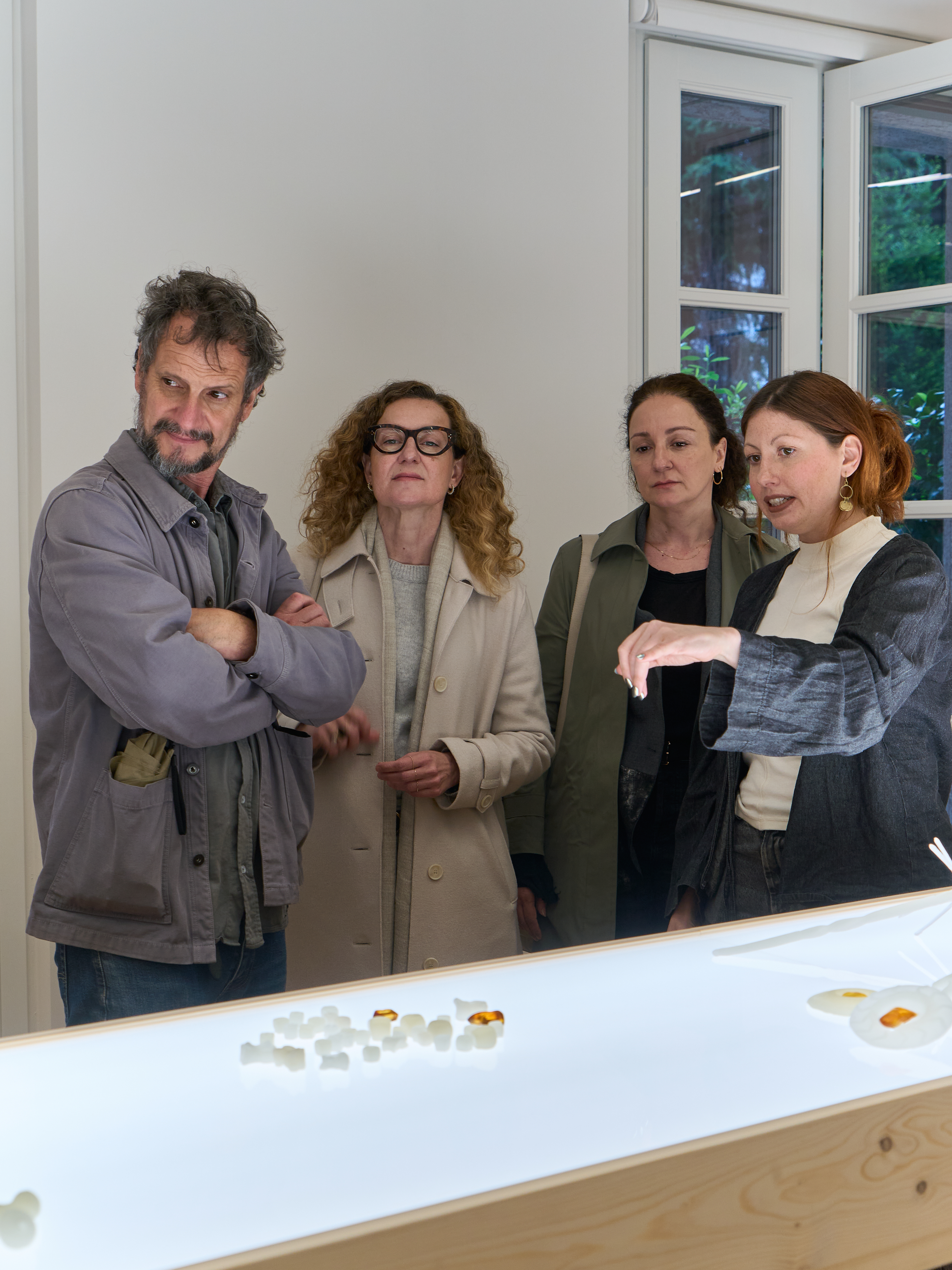
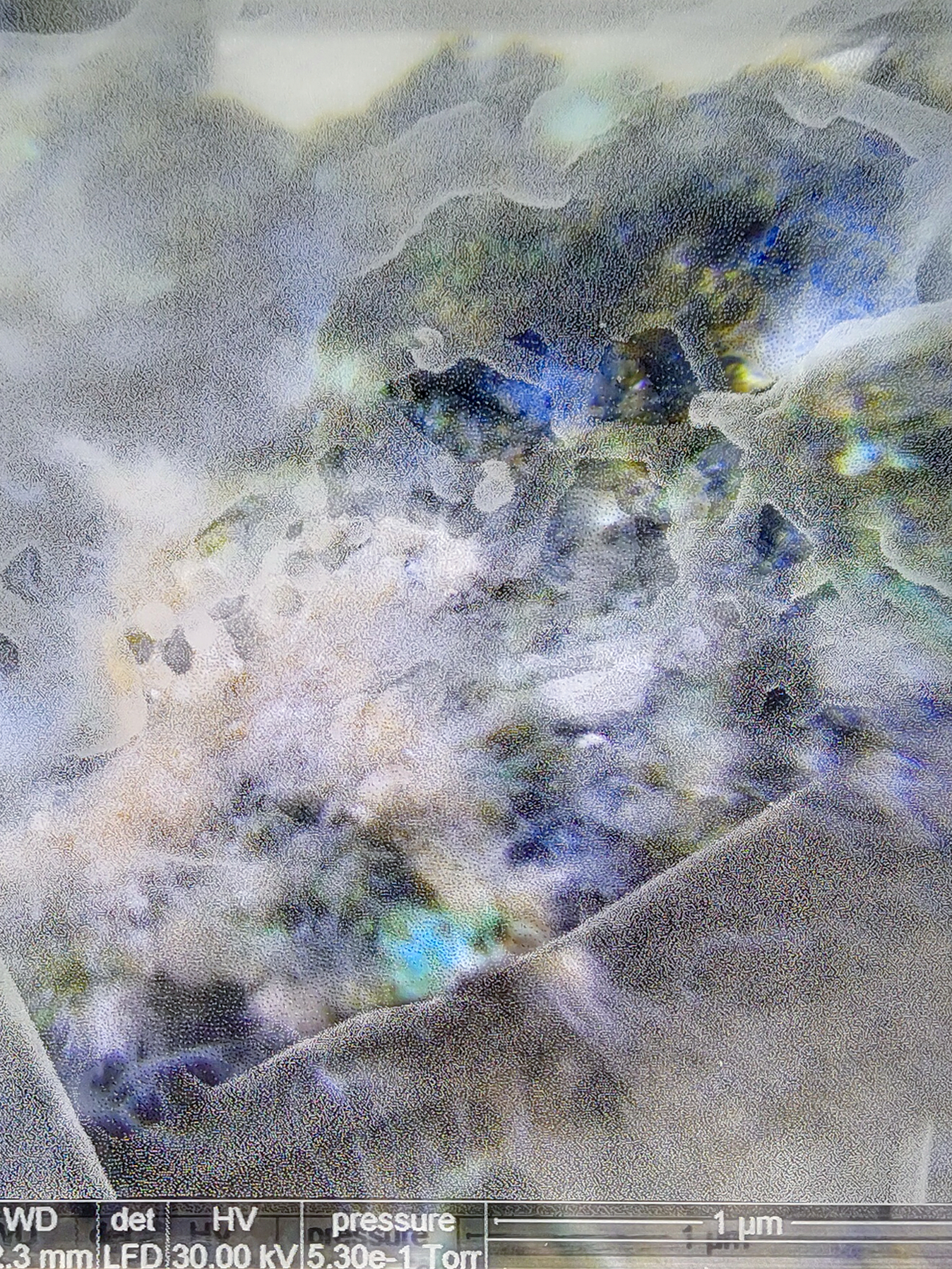
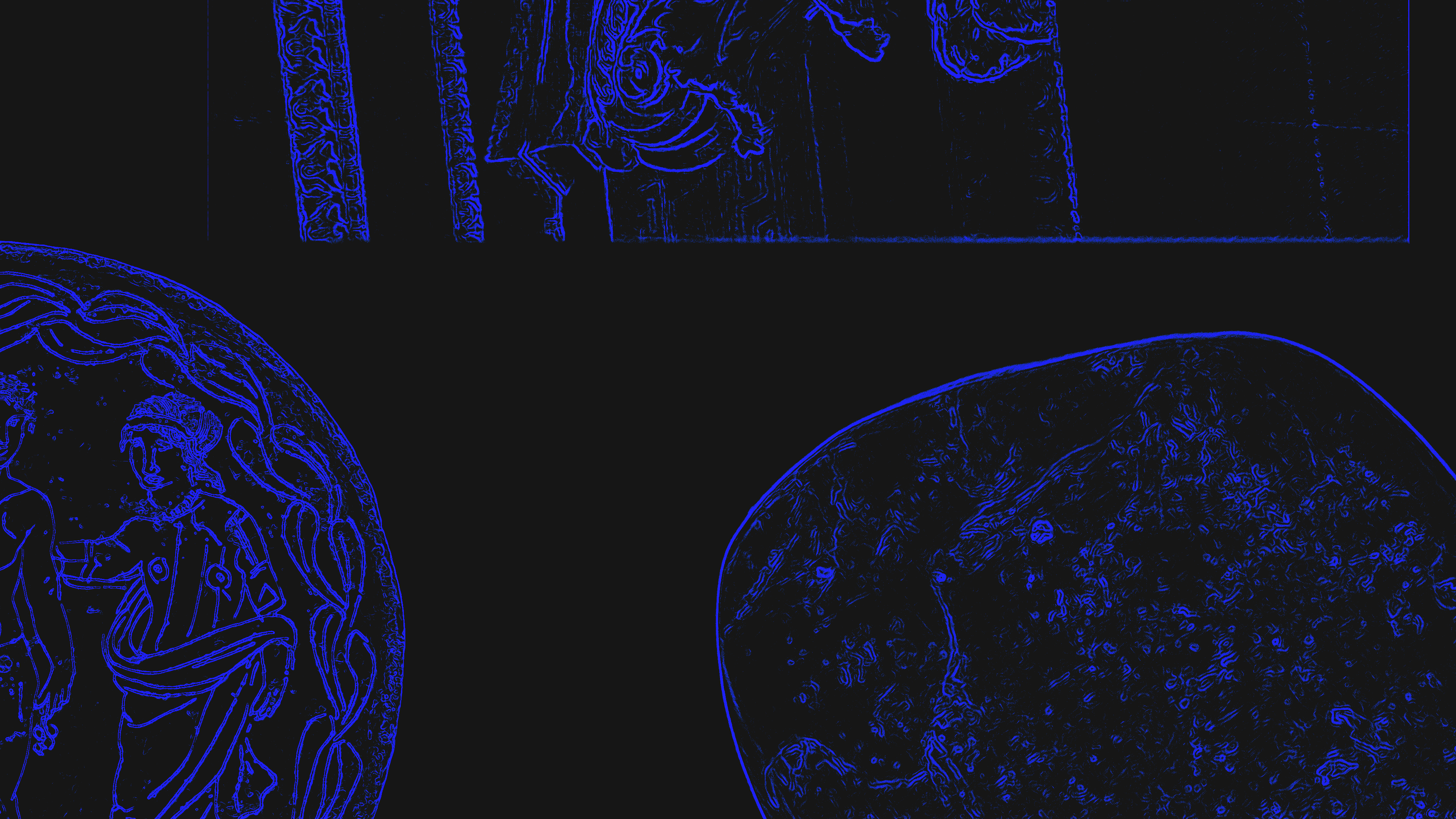
Caterina Morigi has developed a conceptual framework linked to the principle of the “absent majority”: what we can observe today of ancient artifacts represents only a tiny fraction of what originally existed. Over the centuries, much of the material has been lost, inevitably producing a partial and distorted image of the ancient world. Morigi focuses in particular on female grave goods found in the city’s archaeological museums, questioning what is missing, what has not survived, and the narratives these absences generate.
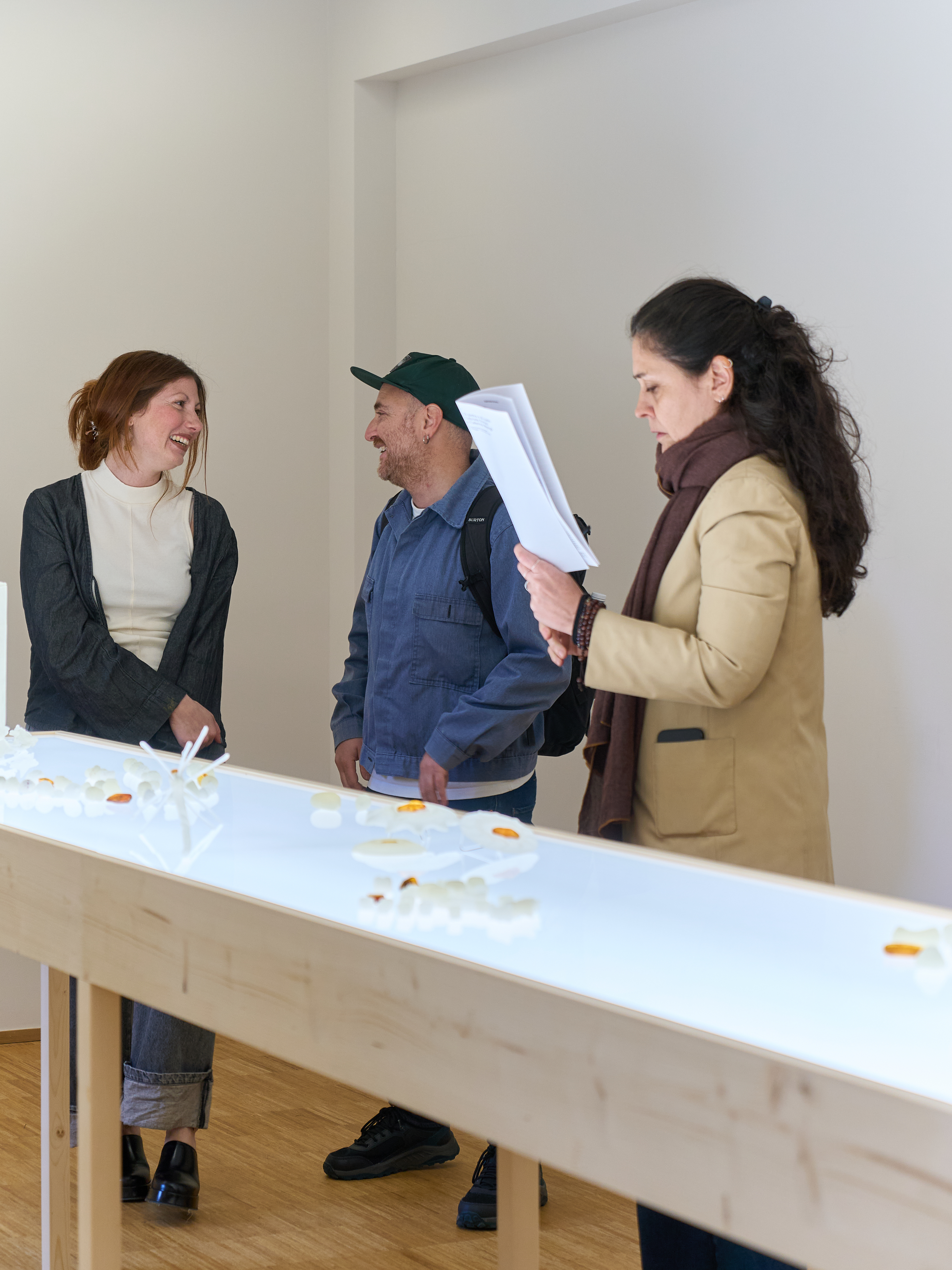
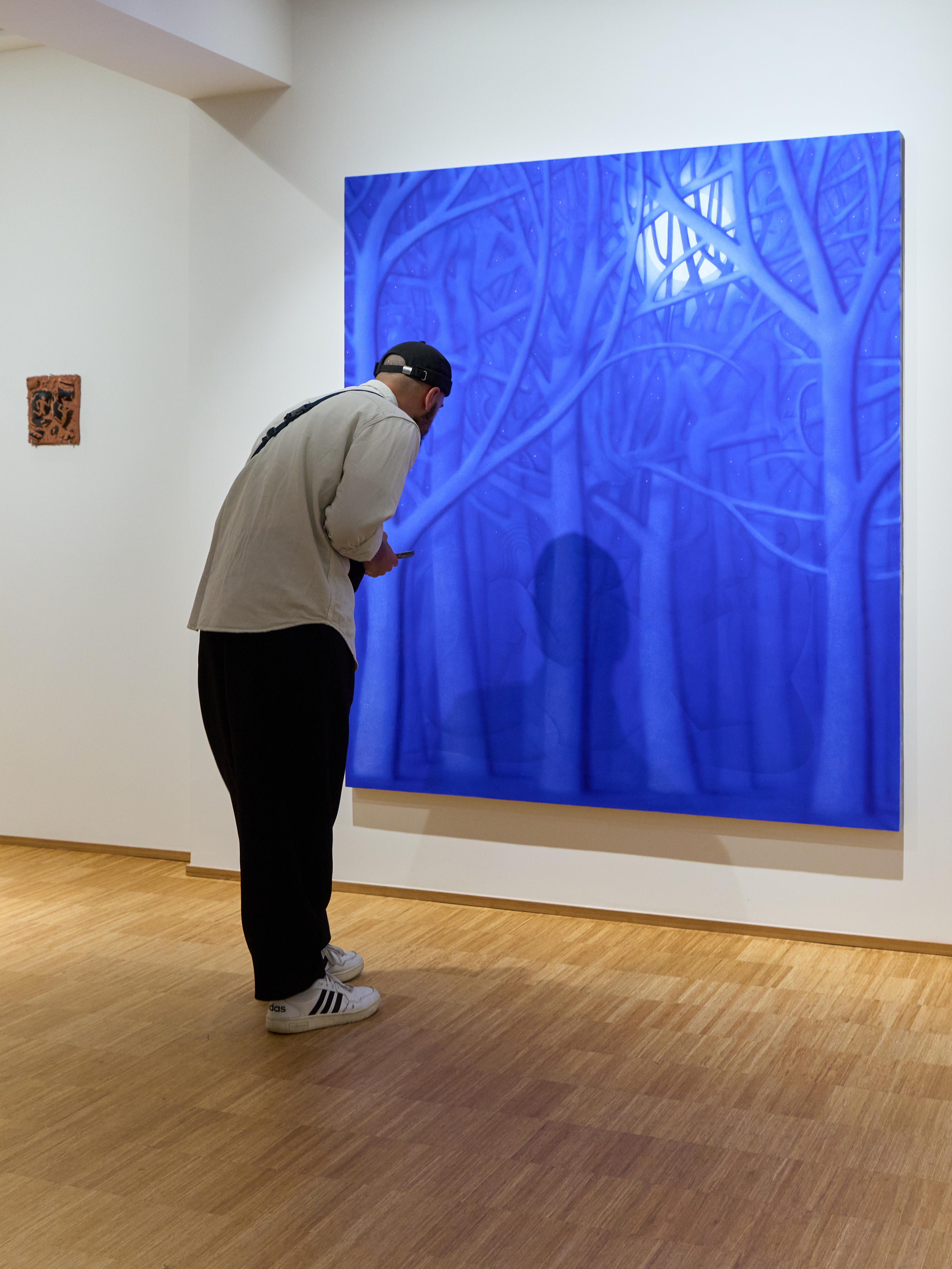
Gabriele Ermini, on the other hand, has worked with sculptural and pictorial elements, exploring the emotional and symbolic power of the artifacts. Ermini observes how very different figures—such as archaeologists, collectors, enthusiasts, but also grave robbers—are united by an almost visceral attraction to ancient objects. Drawn by the presence of the artifacts, they perceive their aura and evocative power, like a call emerging from the ground.
The artists have engaged in dialogue with various local institutions, including the Archaeological Museum of Milan, the Department of Archaeology at the Catholic University, and the Rovati Foundation, which, while focusing primarily on Etruscan artifacts, offers important insights into the legacy and transmission of cultural heritage.
- Opening hours
Thu – Sun 12.00–19.00
Last entry 18.30 - OpeningAggiungi al calendario
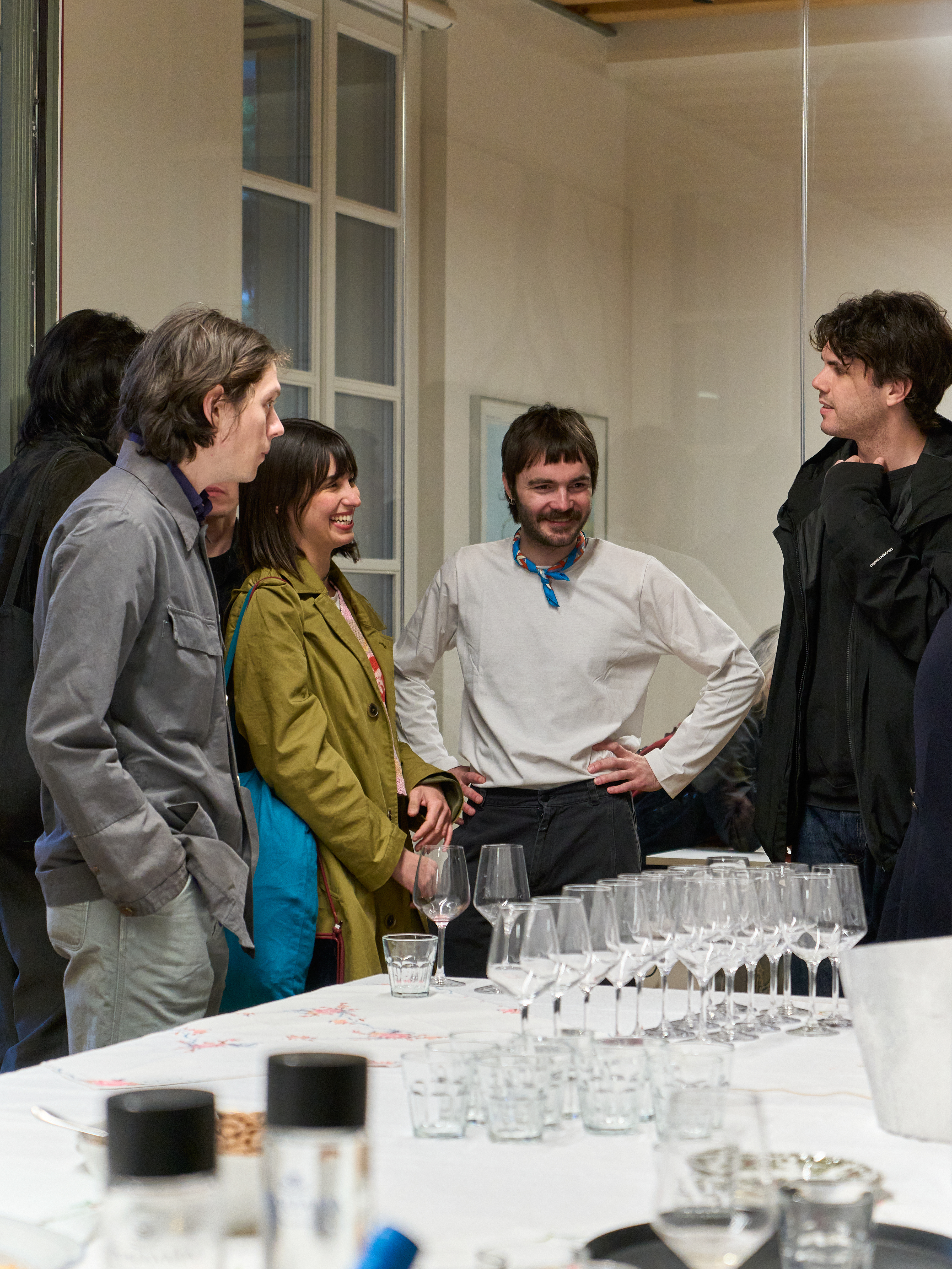
Thursday 14 May
18.00 – 21.00 Free entry
For more information please contact [email protected]