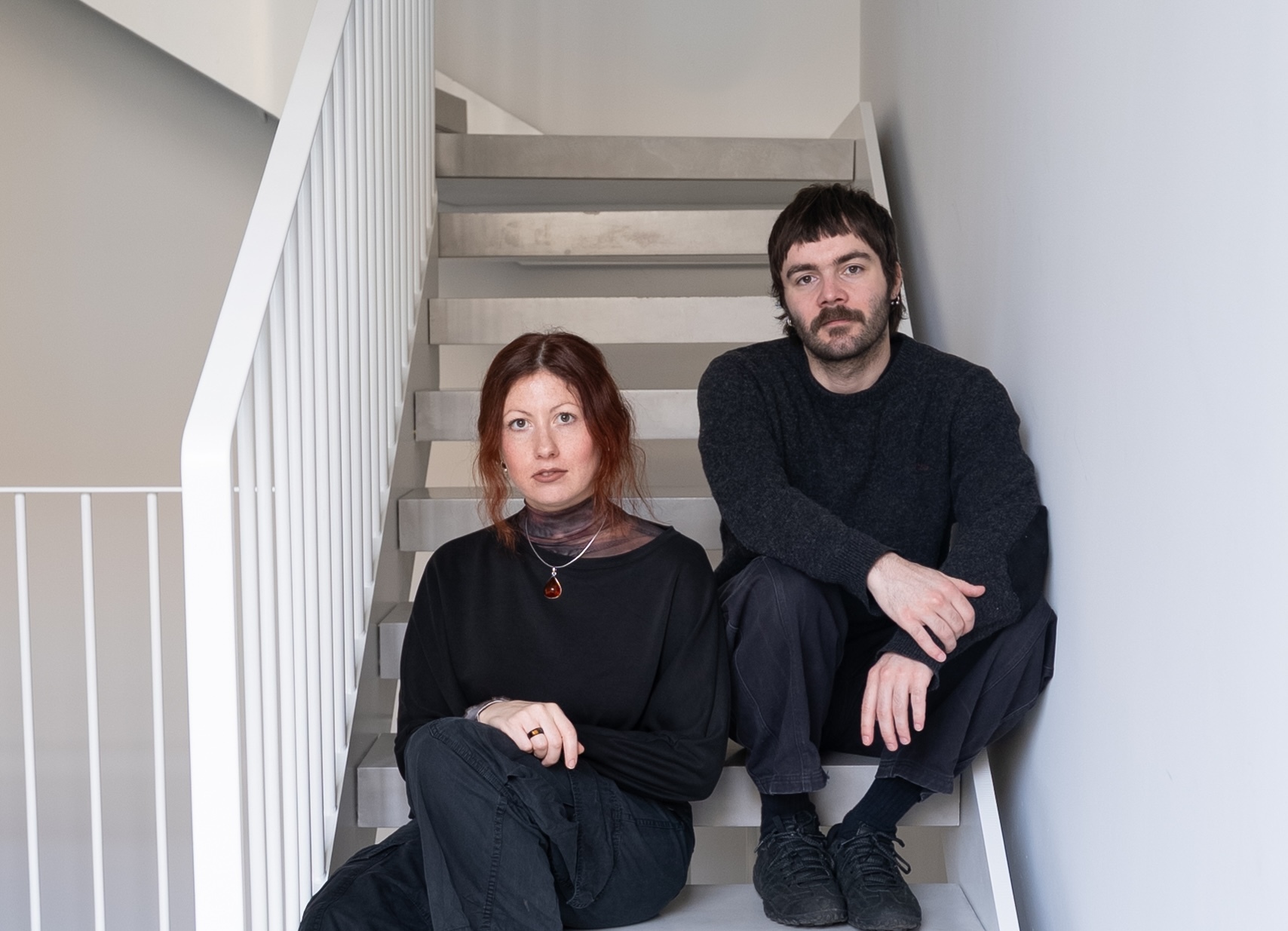
Caterina Morigi and Gabriele Ermini
02.03.2026 – 15.05.2026A reimagined archaeological vision that explores the ancient world not as historical or scientific subject matter, but as a living language that continues to endure in our perception of the present.
The research developed by Gabriele Ermini and Caterina Morigi for the second edition of Atelier Elpis explores the relationship between archaeological heritage and its survival in the contemporary world.
While dialogue with local communities is at the heart of Fondazione Elpis’s mission, in the Italian context this inevitably involves engaging with the archaeological landscape. In the second edition of Atelier Elpis, the artists-in-residence conducted research focused on the archaeological cultural landscape and the complex relationship between the present and its past, subsequently creating a series of new works.
In this sense, Milan represents a special case within the Italian context: compared to other major cities, the persistence of the ancient world appears less visible, even though it is very much present. The archaeological past often lies hidden, resurfacing only sporadically in everyday urban life. Yet it continues to engage with the city’s contemporary fabric: beneath the historic center, in the soil strata, and in the collections of the city’s museums. To develop their research, in fact, the artists have engaged with various local institutions, including the Archaeological Museum of Milan, the Department of Archaeology at the Catholic University, and the Rovati Foundation, which, while focusing primarily on Etruscan artifacts, offers interesting insights into the legacy and transmission of the ancient world.
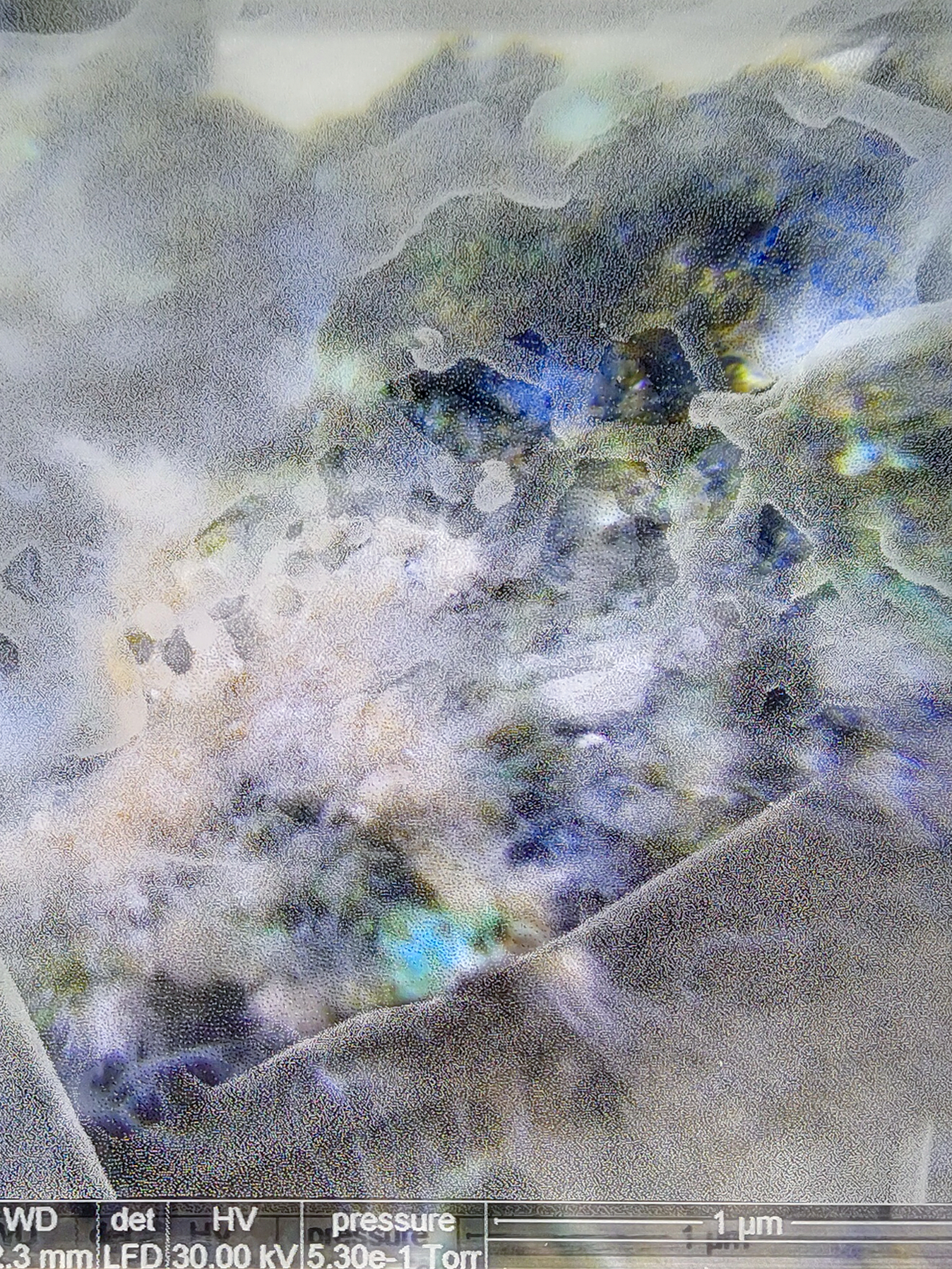
Within this context, Caterina Morigi reflects on the principle of the “absent majority”: what we can observe today of ancient artifacts represents only a tiny fraction of what originally existed. Over the centuries, much of the material has been lost, inevitably producing a partial and distorted image of the past. Morigi’s research focuses in particular on female grave goods observed in the city’s archaeological museums, questioning what is missing, what has not survived, and the narratives these absences generate. The absence is replaced—or filled only symbolically—by the presence of amber. A fossilized resin, yet also considered a gemstone, it is perhaps the quintessential metaphor for the preservation of traces of the past: it holds insects and plant residues within, making visible what time has retained.
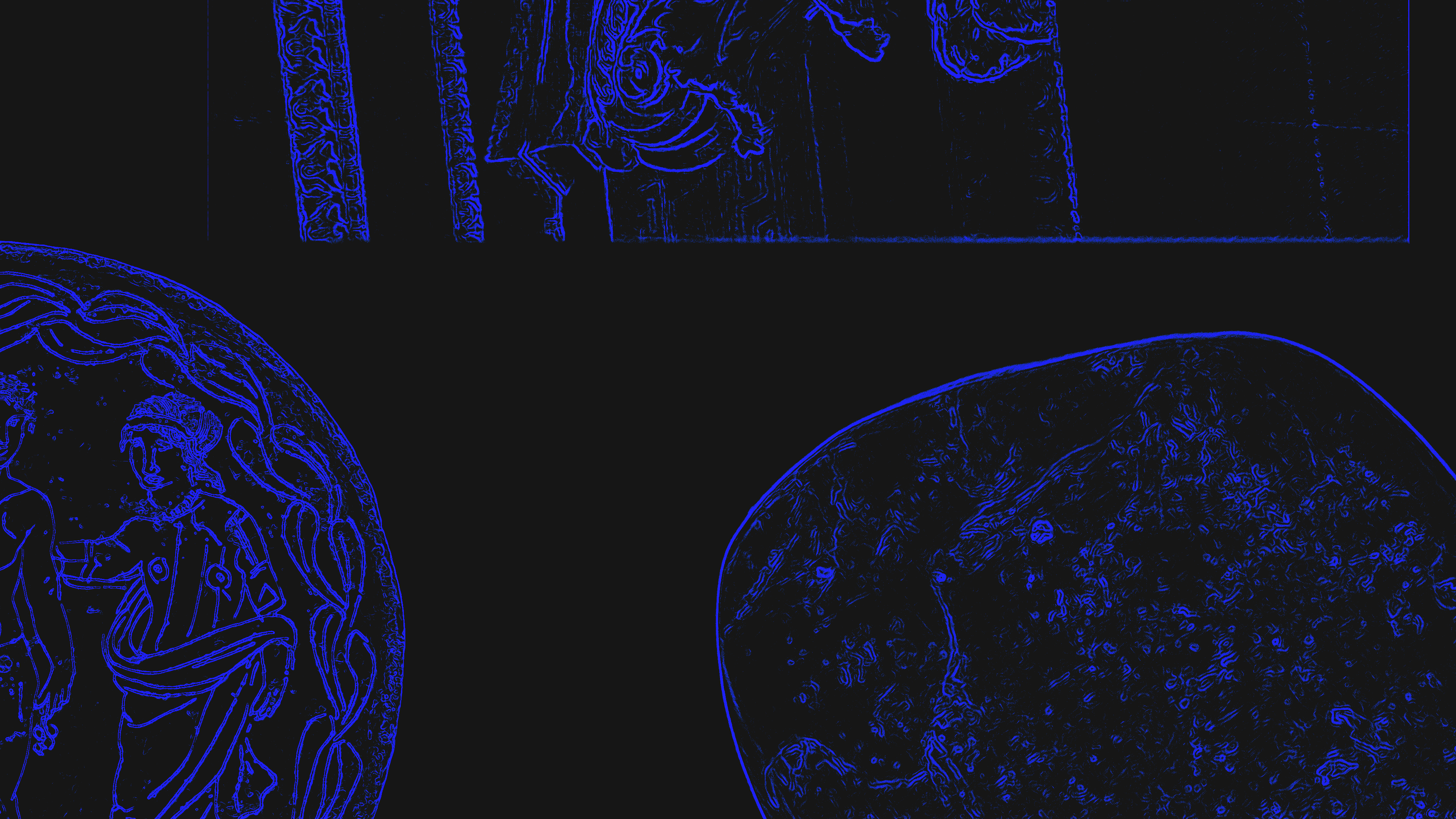
Gabriele Ermini, on the other hand, has worked with sculptural and pictorial elements, exploring the emotional and symbolic power of archaeological finds. Ermini observes how figures as diverse as archaeologists, collectors, and even grave robbers are united by an almost visceral, carnal attraction to ancient objects. Drawn and summoned by the presence of the artifacts—like a sort of diviner of the ancient—they perceive their presence, their aura, calling to them from beneath the ground. As if they were talking objects, the artifacts seem to address them, and at the moment of discovery, an exchange of gazes takes place: that of the observer seeing the object for the first time and that which the artifact itself seems to return, such is the fascination and value it carries with it.
The work of both artists highlights a fundamental element: the ancient is not confined to the past, but is a living, layered presence. A reality that speaks to us today through traces, artifacts, and memories, inviting us to imagine and understand it as an integral part of our contemporary experience.