Un Palazzo in esilio
Theodoulos Polyviou
Lavanderia
Via Lamarmora 26, Milan
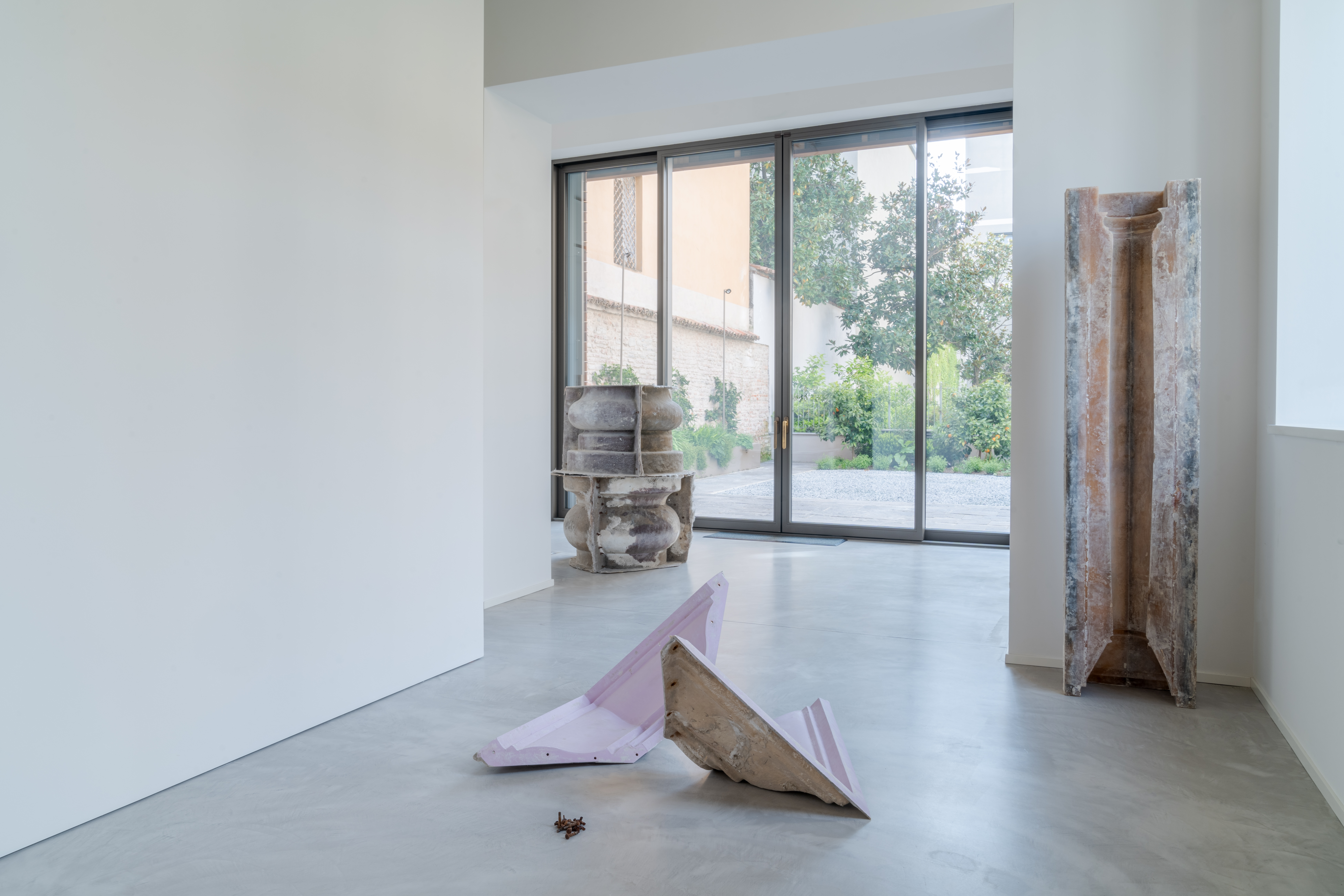
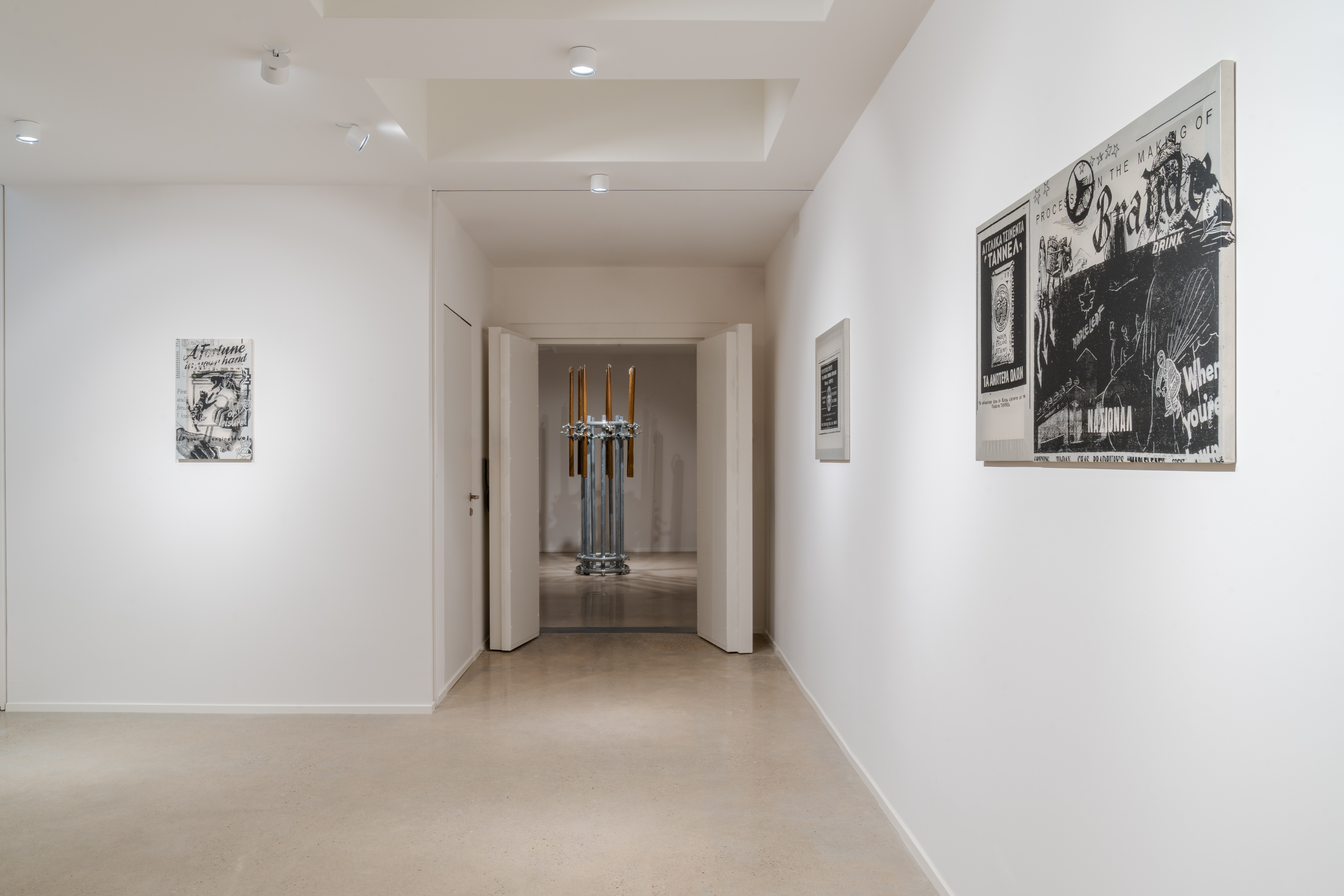
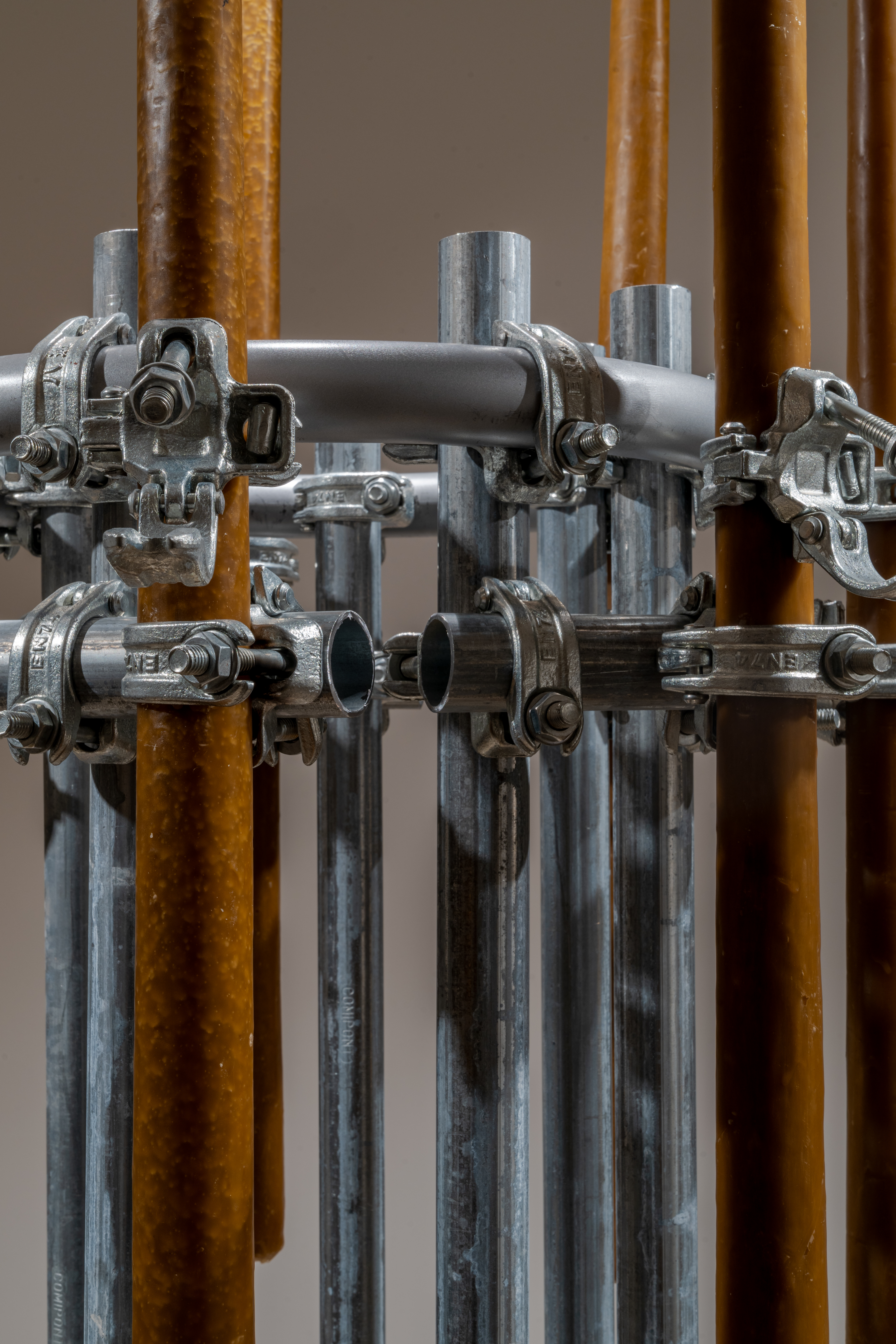
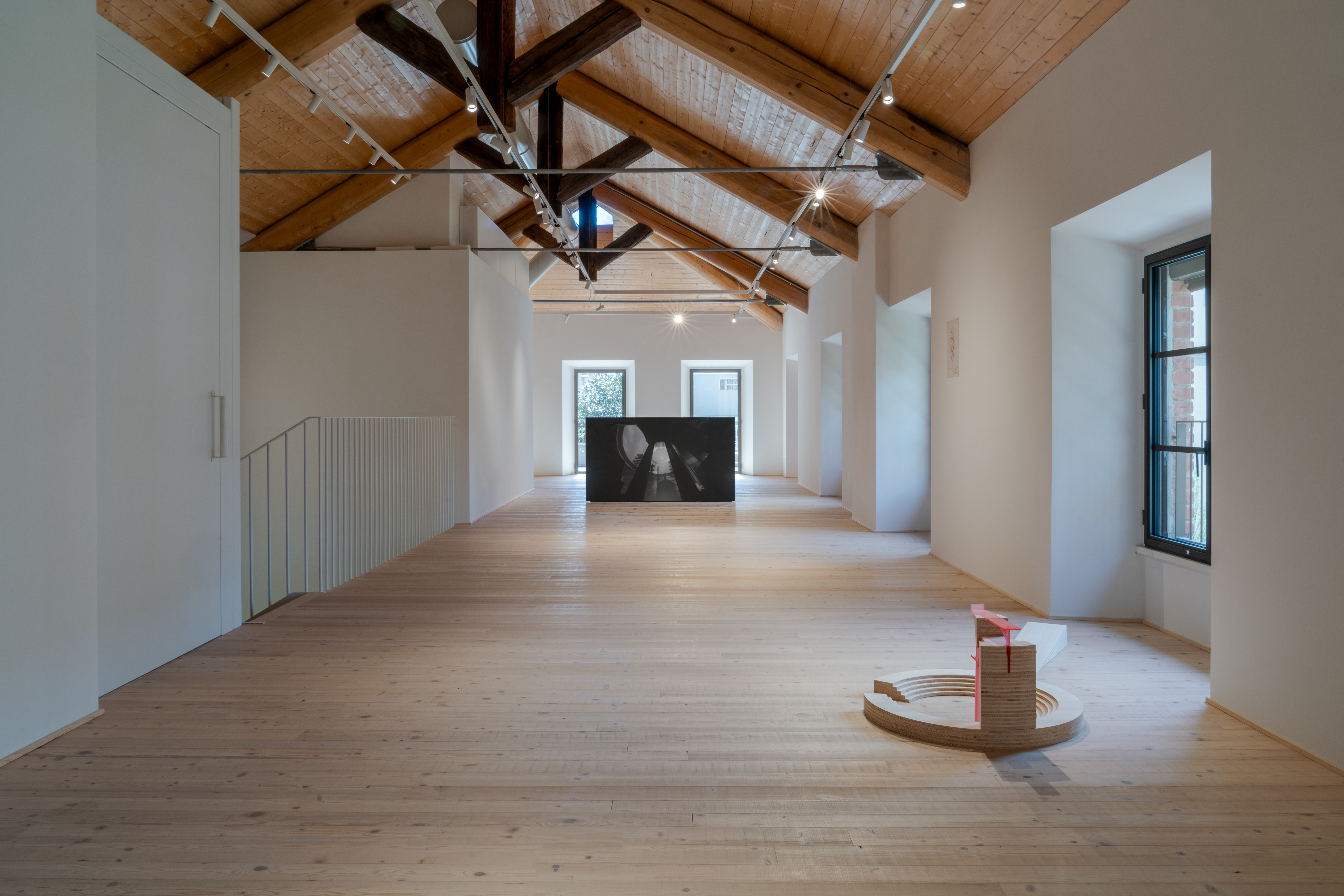
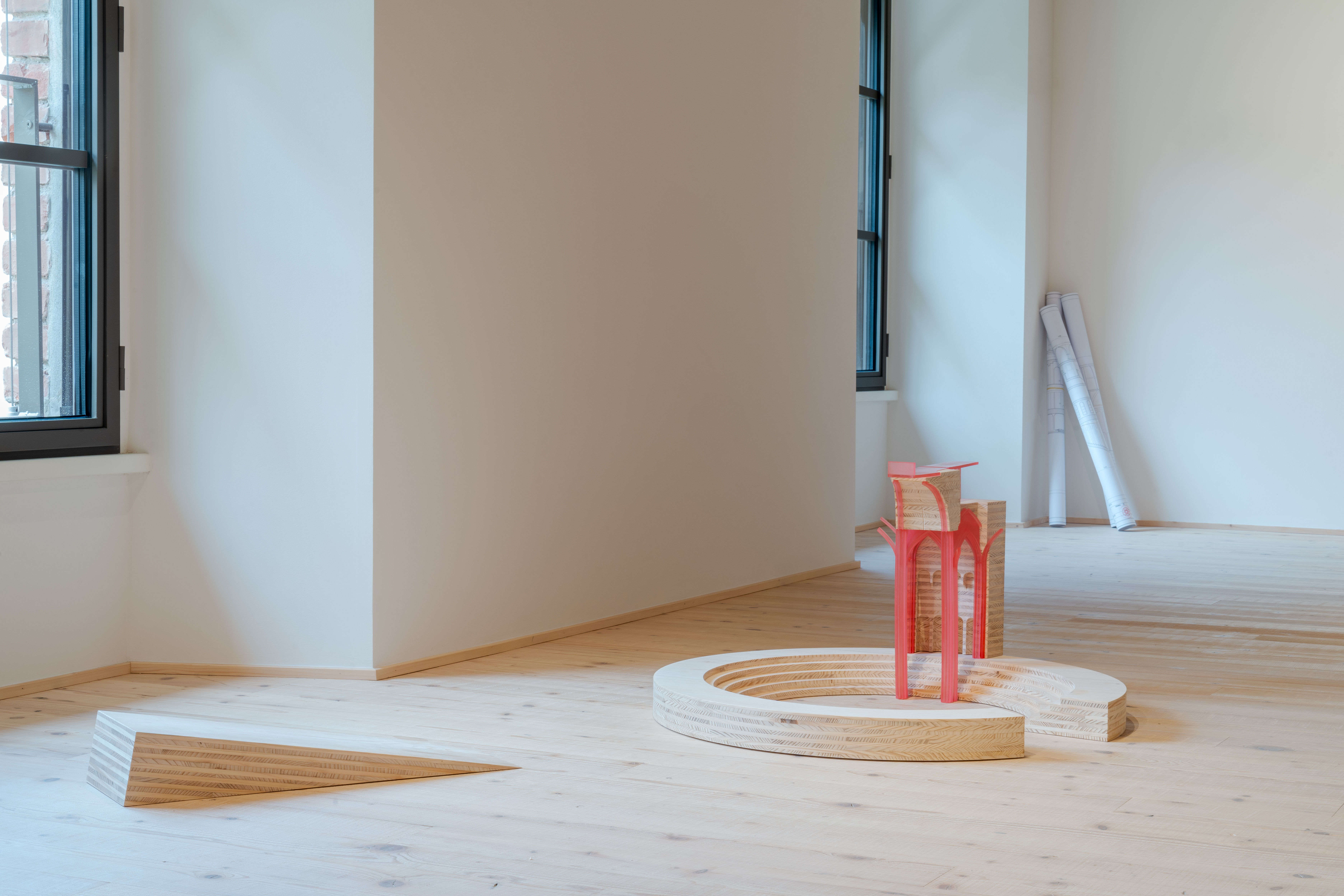
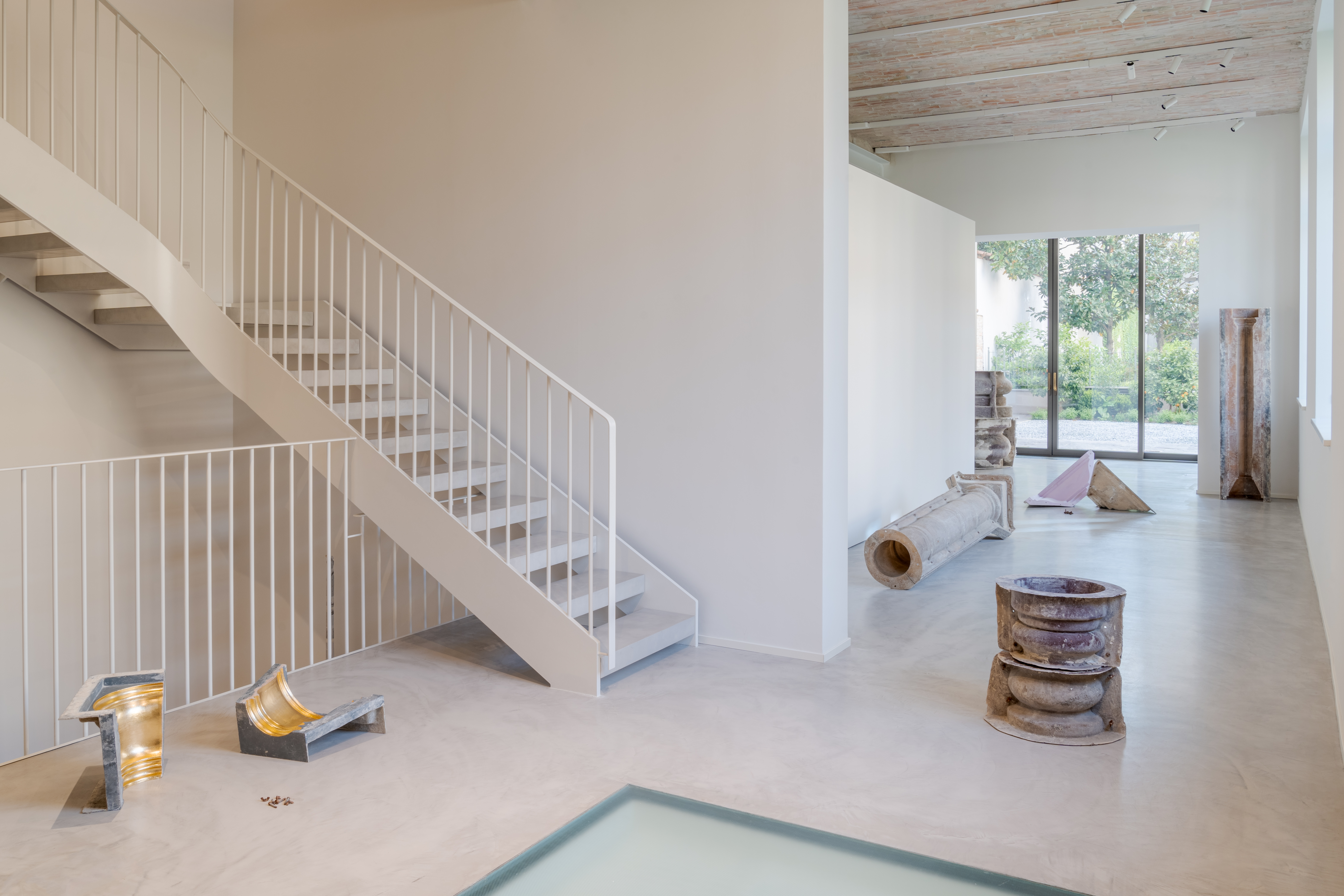
Un Palazzo in esilio is the third chapter of “Transmundane Economies,” an ongoing project by the artist that explores the concept of ‘oikonomia’—traditionally understood in theological terms as “household management”—and uses virtual reality and related digital technologies to study, reconstruct, and fill gaps within Cyprus’s cultural heritage.
Moving beyond nationalistic frameworks, the project instead explores the relationship between queerness, reparation, and reinvention within the island’s historical context. Transmundane Economies explores how the complex interactions between material culture and new immersive technologies—such as augmented reality and virtual reality, artificial intelligence, and machine learning—can generate new information and experiences, and challenge existing value systems within a context of constantly shifting political, technological, and spiritual conditions.
In the 1950s, a decade marked in Cyprus by conflicts stemming from ethnic and nationalist tensions, Archbishop Makarios III initiated the construction of a new archiepiscopal building in the capital, organizing the island’s first architectural competition for this purpose. The competition and the subsequent debate in the press regarding the proposed solutions highlighted the role of architecture in shaping national identity in British-ruled Cyprus. Setting a precedent that would influence the island’s future architectural developments, the construction of the new building marked the emergence in the Cypriot landscape of an architectural style known as “neo-meta-Byzantine.”
A Palace in Exile, part of the "Transmundane Economies" project, extends the concept of “oikonomia” to encompass the influence of the Cypriot Church on both spiritual guidance and the management and administration of worldly and material interests, such as economic and political ones. As such, it highlights the Church’s impact on broader social issues, including nationalism and identity politics, offering a new perspective useful for reflecting on notions of place, history, and cultural or collective identity.
With the support of the Ministry of Culture of the Republic of Cyprus.